
Uterine Prolapse and Urinary Incontinence Surgery
Uterine Prolapse and Urinary Incontinence Surgery – Prof. Dr. Taner Usta

Operations are performed at Acıbadem Altunizade Hospital with the da Vinci robotic surgical system.
Request an AppointmentGeneral Information
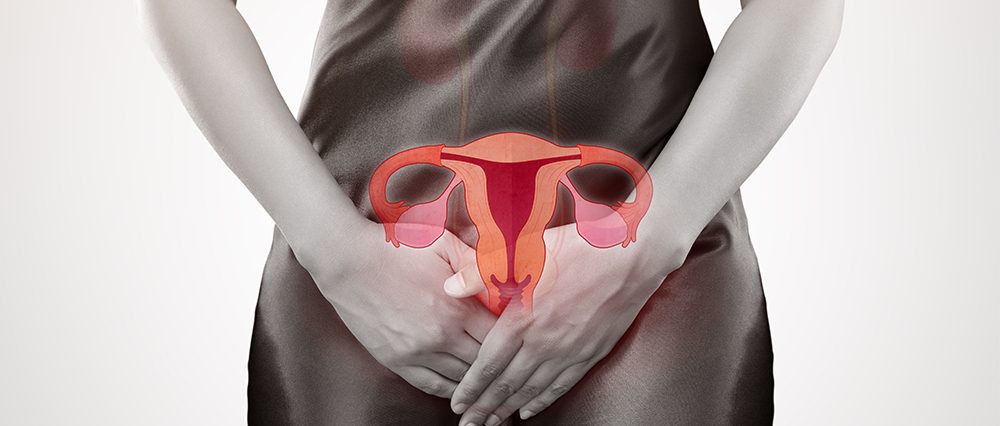
Uterine prolapse means the downward descent of the uterus from its normal position. This condition causes a change in the normal position of the uterus. Because many women do not take uterine prolapse seriously, it is not a complaint for which many people consult a doctor. In fact, uterine prolapse can cause frequent urination due to pressure on the bladder and frequent urinary tract infections due to the bladder not being emptied completely, and in the same way it can cause constipation by pressing on the large intestine.
In a large proportion of the patients who present with these complaints, the underlying cause is uterine prolapse. The treatment of uterine prolapse is not always removal of the uterus. If there is another condition requiring the uterus to be removed, suspension operations can be performed after the uterus is removed; if not, they can be performed without removing the uterus.
Thanks to robotic surgery, without the uterus being removed it can be suspended with patches we call ‘mesh’ from the strong tissues (ligaments) located in the side walls of the pelvis or from the strong tissue (ligament) located in front of the tailbone. In women whose uterus has been removed, the operation in which the vaginal vault is suspended from the ligaments located in the pelvic walls is called ‘pectopexy’. Likewise, the operations in which the uterus or the vaginal vault is suspended from the ligament in front of the tailbone are called ‘sacrouteropexy, sacrocervicopexy or sacrocolpopexy’.
The ‘Burch’ operation performed to prevent urinary incontinence can also be carried out quite easily and without complications with the robot. These operations are highly specialised operations that require experience. Thanks to robotic surgery, these operations are performed with quite high success rates and low recurrence rates.
Symptoms
Uterine prolapse is generally seen more frequently during pregnancy, childbirth and menopause, but it can be seen at any age. The treatment of this condition is usually carried out with surgical intervention, and before the surgical intervention your doctor will tell you which treatment option is best for you. It generally affects women who experience some of the following symptoms:
- Frequent urination
- Urinary tract infections
- Constipation
- Menstrual irregularity
- Pain or discomfort
Risk Factors
What is the next step?
After a diagnosis of uterine prolapse has been made, your doctor will give you information about which treatment option is most suitable for you. The treatment options may be as follows:
- Surgical intervention: Uterine prolapse is usually corrected with surgical intervention. This surgical intervention aims to return the uterus to its normal position. There are many surgical methods used for this purpose and your doctor will tell you which one is most suitable for you.
- Preventive measures: In cases where a diagnosis of uterine prolapse has been made but surgical intervention is not required, your doctor may recommend preventive measures to prevent the uterine prolapse from progressing. For example, giving up smoking, reducing excess weight and obesity and doing daily exercises can prevent the uterine prolapse from progressing.
- Medical treatment: Your doctor may recommend medications to reduce the symptoms of uterine prolapse. For example, antimicrobial medications may be given to prevent urinary tract infections.
If a diagnosis of uterine prolapse has been made and you would like to learn more about the treatment options, please talk to your doctor.
Endometriosis
Multidisciplinary Endometriosis Centre of Excellence


 First in Turkey
 2nd in Europe2.
 6th in the World6.
 Acıbadem Altunizade Hospital
Let’s decide on the right approach for you together
After your examination and imaging, we will discuss clearly whether robotic surgery is suitable for you.