
Robotic surgery in gynaecology with millimetre precision.
Fibroid, endometriosis, uterine prolapse and gynaecologic oncology surgery with the da Vinci robotic surgical system — smaller incisions, less blood loss, faster recovery.

Welcome.
Gynaecological diseases that can be treated with robotic surgery
Since robotic surgery was first introduced, it has quickly been adopted, particularly in gynaecologic surgery. Thanks above all to better cosmetic results for women and less pain after surgery, robotic surgery has become widely used by obstetricians and gynaecologists.
Endometriosis
Complete removal of chocolate cysts and deep endometriosis lesions while preserving the uterus.
02Myomectomy
Removing fibroids from the uterine wall and repairing the wall with robotic suturing.
03Hysterectomy
Millimetre-precise dissection in the narrow pelvis when the uterus needs to be removed.
04Uterine Prolapse & Urinary Incontinence
Rebuilding the pelvic floor with sacrocolpopexy and suspension procedures.
05Opening the Fallopian Tubes
Reopening blocked or tied tubes with microsurgery.
06Oncological Operations
Comprehensive robotic surgery for gynaecological cancers, including lymph node dissection.
Get to Know da Vinci SP
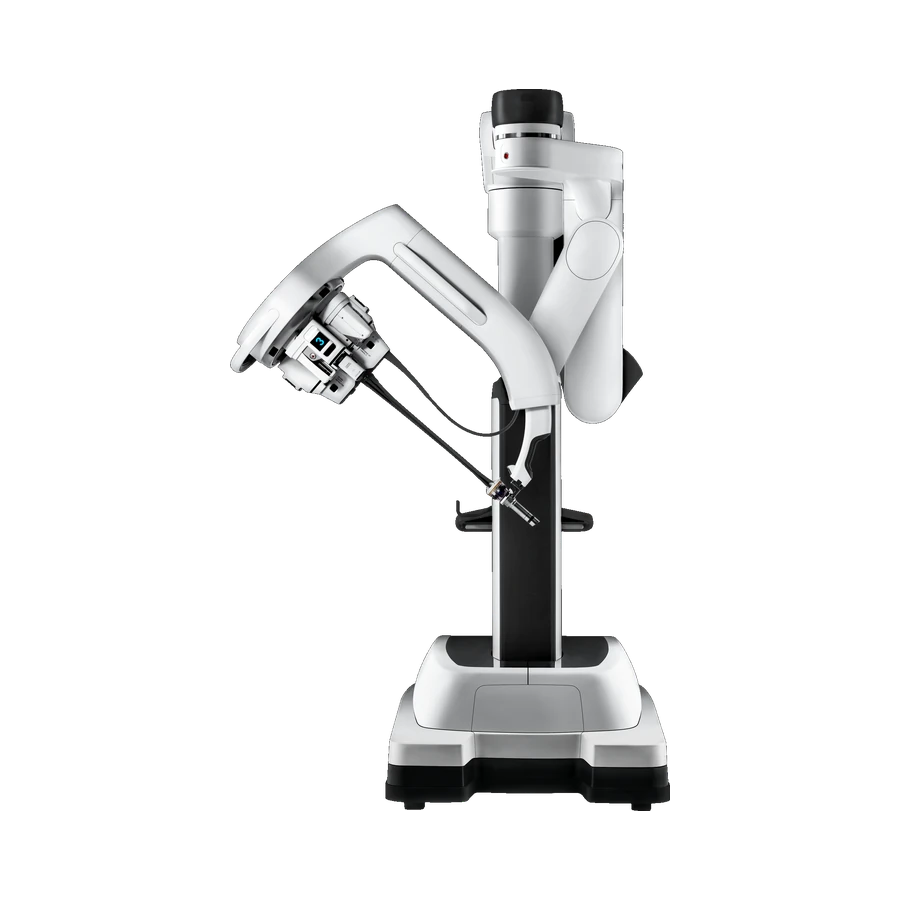
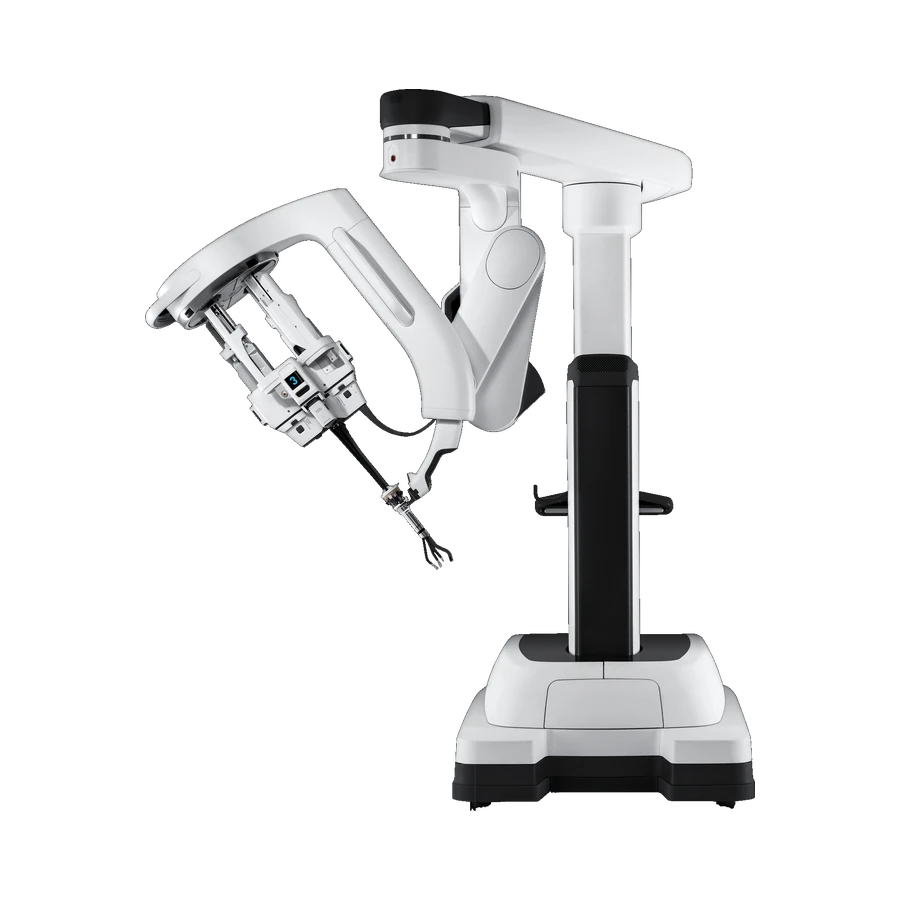
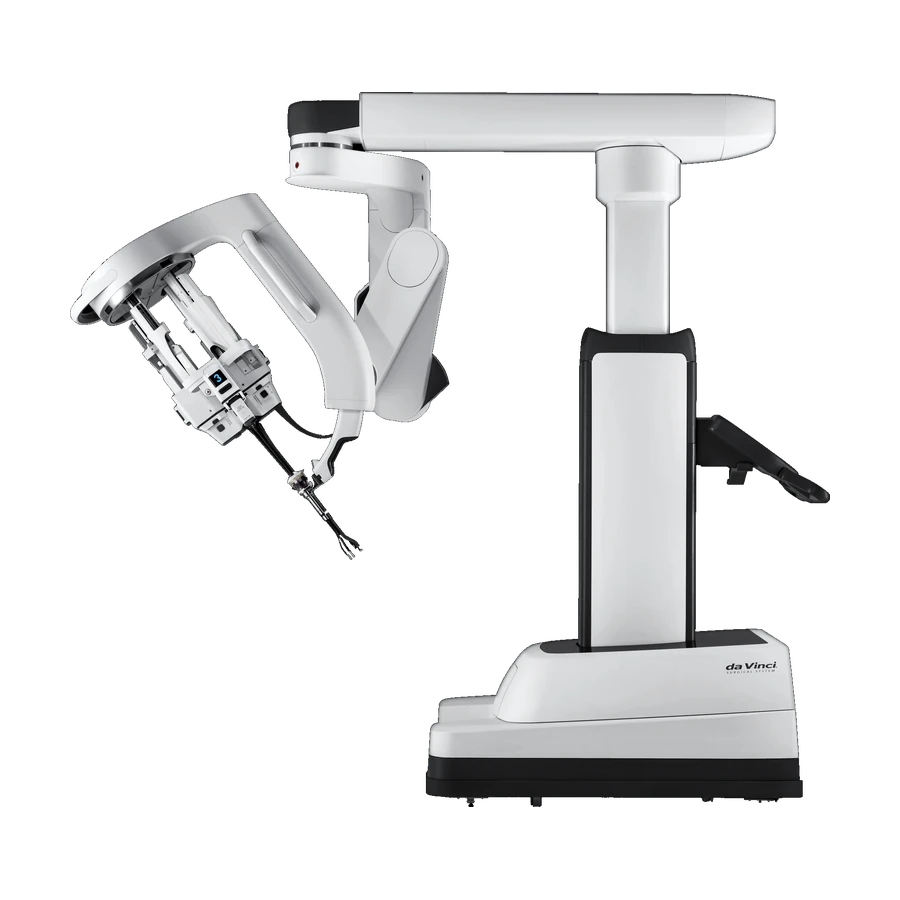
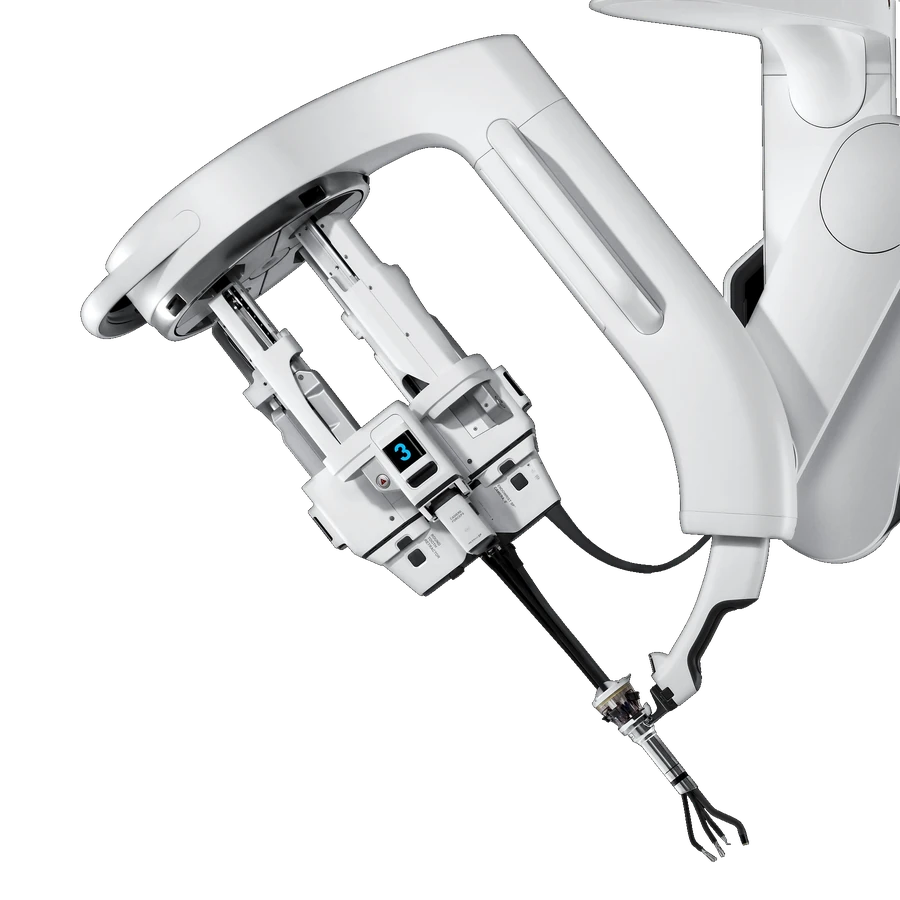
Robotic Surgery Through a Single Entry Point
Three robotic instruments and a 3D HD camera work through a single entry point of about 2.5 cm; studies in gynaecologic surgery show that this approach is safe and feasible.
One Arm, 360° Access
The single-arm patient cart can rotate 360° on its own axis; the surgeon reaches all four quadrants of the abdomen without repositioning the system, and the arms never collide outside the body.
Fully Articulating 3D HD Camera
The fully articulating camera moves independently of the instruments; anatomy can be viewed from above, below and around, and Firefly fluorescence imaging shows tissue blood flow in real time.
Elbowed and Wristed Instruments
Each instrument has an elbow and a wrist; instruments entering through a single port form a triangle inside the body, allowing precise suturing and dissection in the narrow pelvic space.
Acıbadem Altunizade Hospital
I perform my operations at the JCI-accredited Acıbadem Altunizade Hospital. The equipment, intensive care and team required for robotic surgery are all under one roof.
Altunizade Mah. Yurtcan Sok. No:1, Üsküdar / İstanbul — LEED Gold certified building, helipad and parking for 550 vehicles.
Multidisciplinary Endometriosis Centre of Excellence
We were accredited as the first centre in Türkiye, the 2nd in Europe and the 6th in the world. The two documents below are the accreditation itself.


 First in Turkey
 2nd in Europe2.
 6th in the World6.
 Acıbadem Altunizade Hospital
Videos
 Watch
Does the robot perform robotic surgery operations?
 Watch
Can robotic surgery open blocked tubes?
 Watch
How Are Robotic Surgery Operations Performed?
Blog
 09.12.2022
Everything You Want to Know About Pudendal Nerve Compression
One of the leading causes of chronic pelvic pain; it results from the nerve being compressed along its anatomical path.
Read more 09.12.2022
Treating the Problem of Urinary Incontinence With Robotic Surgery
A problem experienced by millions of women that often goes untreated because it is not talked about.
Read more 16.12.2022
Treating the Problem of Uterine Prolapse With Robotic Surgery
When the pelvic floor muscles and ligaments lose their strength, the uterus gradually loses its support.
Read more



Frequently Asked Questions
Prof. Dr. Taner Usta and His Team
This is a team effort. Our team includes our hospital’s highly valued doctors, nurses and assistants.

Berra Nur Topraktepe
Physician Assistant
Kübra Aslankılıç Fidan
Case Manager Nurse
Uzm. Dr. Gül Sema Can Akyol
Obstetrics and GynaecologyLet’s decide on the right approach for you together
After your examination and imaging, we will discuss clearly whether robotic surgery is suitable for you.