
Treating the Problem of Uterine Prolapse With Robotic Surgery

Operations are performed at Acıbadem Altunizade Hospital with the da Vinci robotic surgical system.
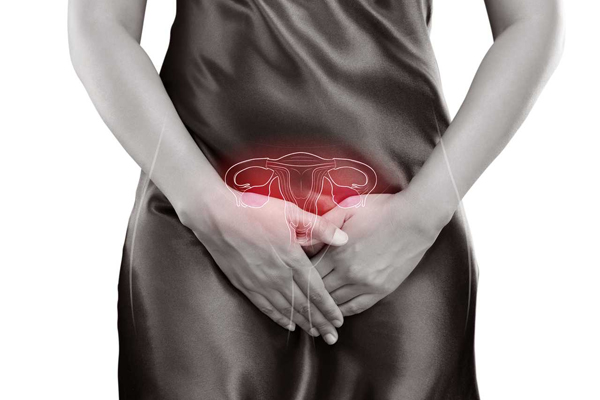
Request an AppointmentUterine prolapse arises when the pelvic floor muscles and ligaments lose their strength and over time can no longer support the uterus. In the advanced stages of uterine prolapse, the uterus slips down through the vagina and protrudes outside. In general, uterine prolapse can be seen in women of all ages.
However, it is encountered more frequently in women who have had more than one vaginal delivery and in the post-menopausal period. Mild prolapse usually does not require treatment. Instead, exercises such as Kegel exercises can prevent uterine prolapse by strengthening the pelvic floor muscles. However, when this prolapse reaches more advanced dimensions, surgical intervention is definitely required.
Symptoms and Causes
Mild uterine prolapse usually does not cause symptoms. However, in cases where the prolapse is moderate or severe, certain symptoms appear. Symptoms such as pain in the groin region, tissue protruding from the vagina, urinary incontinence, problems with bowel movements, the feeling that something is falling out of the vagina and loss of sensation in the vaginal tissue are among the symptoms frequently seen in uterine prolapse.
In some cases these symptoms are less troublesome in the morning but may become more severe as the day goes on. Conditions such as pregnancy, difficult delivery, obesity, low oestrogen levels after menopause, chronic cough or bronchitis and chronic constipation can cause uterine prolapse. In addition, uterine prolapse also develops over time in people who constantly lift heavy loads.
Treatment of Uterine Prolapse
In cases where the uterine prolapse is not extreme, surgical intervention is not required. However, in the advanced stages the only intervention is the surgical method. These interventions can be carried out in a closed manner with robotic surgery. Operations performed with robotic arms managed by the doctor from a console are carried out through extremely small incisions.
In this way, while the recovery process in a normal uterine prolapse operation takes 6 to 8 weeks, with robotic surgery this period is reduced to 3 to 4 weeks. In addition, thanks to the use of extremely superior imaging methods, the natural length and depth of the vagina can be preserved with robotic surgery. This means that the patient both has less pain and can maintain sexual function.


Let’s decide on the right approach for you together
After your examination and imaging, we will discuss clearly whether robotic surgery is suitable for you.