
The Use of Robotic Surgery in Gynaecological Cancers
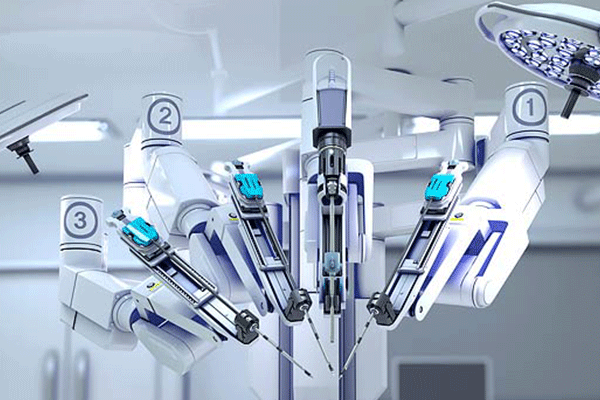

Operations are performed at Acıbadem Altunizade Hospital with the da Vinci robotic surgical system.
Request an AppointmentThe uterus, the vagina, the ovaries and the fallopian tubes, which are part of the female reproductive system, can be affected by types of cancer. Among these, benign or malignant tumour formation most frequently occurs in the uterus, the hollow, muscular organ in which the baby is carried. For many women who have gynaecological cancer, the treatment method is the ‘hysterectomy’ operation, the surgical removal of the uterus.
In cancers such as cervical cancer, uterine cancer or ovarian cancer, hysterectomy stands out as the method used. Cervical cancer, ovarian cancer and cancer of the lining of the uterus (endometrium) are among the 10 most common types of cancer in our country.
Hysterectomy Operation
In women with cancer, the hysterectomy operation is mostly performed through a large incision made in the lower abdominal region. When this operation, which requires a wide incision below the navel, is performed with open surgery, it requires the use of strong painkillers. In addition the risk of infection is high and blood loss during the operation is excessive.
About 6 weeks are needed for recovery after the operation. Apart from these, many patients complain about the scar left by the hysterectomy operation. This large scar below the navel also affects patients adversely from a psychological point of view.
Robotic Surgery
The hysterectomy operation performed with robotic surgery is a method in which less intervention is made to the patient’s body than with open surgery. The robotic arms are designed to be able to perform the operation in the most precise and least damaging way available. The operation is not carried out through a single large incision as in open hysterectomy, but through several small incisions smaller than 1 cm.
Because the procedures are performed through small incisions, there is a significant reduction in the pain experienced after the operation. In addition, the small size of the incisions also brings with it a significant reduction in the risk of contracting an infection. The need for a blood transfusion during the operation is reduced to a minimum. After procedures performed with robotic surgery, patients stay in hospital for a shorter time and go through a more comfortable recovery period. The return to normal activities is also quicker.



Let’s decide on the right approach for you together
After your examination and imaging, we will discuss clearly whether robotic surgery is suitable for you.