
Advanced Technology in the Treatment of Uterine and Bladder Prolapse With Robotic Surgery

Operations are performed at Acıbadem Altunizade Hospital with the da Vinci robotic surgical system.
Request an AppointmentToday this condition is encountered in almost one out of every two women in the world. In our country this rate is estimated to be slightly above the world average. Although prolapse has many causes, the most common ones include having given birth many times, a history of difficult delivery, genetic factors, straining, constipation, smoking and obesity.
Bladder and Uterine Prolapse Can Be Treated at the Same Time
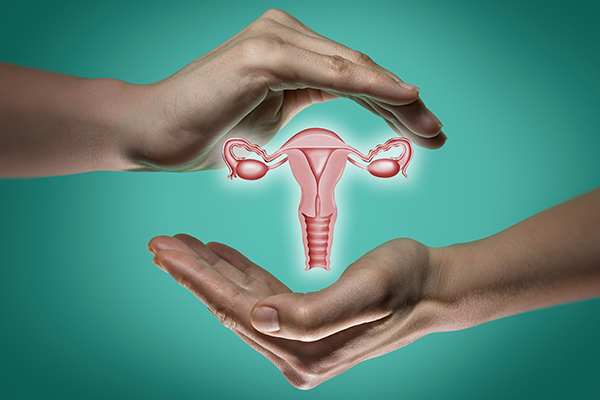
The descent of the uterus from its normal position due to weakening of the muscles and ligaments that hold the bladder, the uterus, the urinary canal and the intestines in place is called ‘uterine prolapse’. Uterine prolapse is frequently accompanied by prolapse in the bladder and the anal region as well.
In addition, uterine prolapse may also occur in people who have previously undergone uterine or vaginal operations. Depending on the location and stage of the prolapse, it can be treated with operations performed vaginally or through the abdominal cavity.
Uterine Prolapse Can Be Treated With Robotic Surgery, the New-Generation Treatment Method
Robotic surgery, which has found a large place for itself in the field of medicine over the last twenty years, is today most frequently preferred in gynaecology and urology operations. With this method, which is a more advanced version of the classic laparoscopic method, the limitations of the laparoscopic method are eliminated.
With its cameras that magnify dozens of times and provide a three-dimensional image, the arms of the da Vinci robot provide extensive information about the operating area. In addition, thanks to its ability to reach very deep areas, a comfortable and safe working environment is created in these regions. Thanks to 3D imaging technology, which also includes depth, the operation can be completed without causing any damage to the delicate tissue located around the operating area.
Advantages After the Operation
Operations performed with new-generation robotic devices belong to the field of minimally invasive gynaecological surgery, just like the laparoscopic method. In other words, in robotic surgery too the patient is treated with the fewest possible interventions during the operation. This also means less bleeding and less need for blood during the operation.
Because the operations are performed through small incisions, the risk of complications such as infection after the operation is also reduced to a minimum. In this way, patients can be discharged more quickly after the operation and return to their social lives sooner.
Another important advantage that comes with robotic surgery is that, because only a small incision is needed, no noticeable scar remains after the operation. The scars that appear after the operation reach a level that cannot be seen by the eye within about a year.



Let’s decide on the right approach for you together
After your examination and imaging, we will discuss clearly whether robotic surgery is suitable for you.